
Sex Dolls Blog
🔥Silicone vs TPE Sex Dolls Full Guide (2026 Expert Comparison)


When shopping for a premium companion doll, there’s one question that almost every buyer eventually runs into:
Silicone or TPE?
And honestly… it sounds like a simple choice at first.
But once you actually start living with the product, the answer becomes much less obvious than most product pages suggest.
This Silicone vs TPE Sex Dolls Full Guide is not just a specification breakdown.
It’s based on real-world usage patterns, long-term ownership behavior, and material science differences that actually show up after months—not minutes—of experience.
Because first impressions?
They are easy. Almost misleadingly easy.
Long-term reality is where things quietly shift.
Why Material Choice Actually Becomes a Long-Term Experience
A high-end doll is not just a purchase—it’s a physical product you interact with over time.
Sometimes frequently. Sometimes occasionally. But always in changing environments: temperature, humidity, storage conditions, and usage habits all play a role.
According to the American Chemistry Council (ACC), silicone elastomers are widely used in medical devices and prosthetics due to their long-term thermal stability and resistance to chemical degradation.
That matters here more than people realize.
Because it tells you something simple but important:
👉 silicone is engineered for stability over time
👉 TPE is engineered for softness and flexibility
Two different design philosophies.
And over months of ownership, that difference becomes very visible.
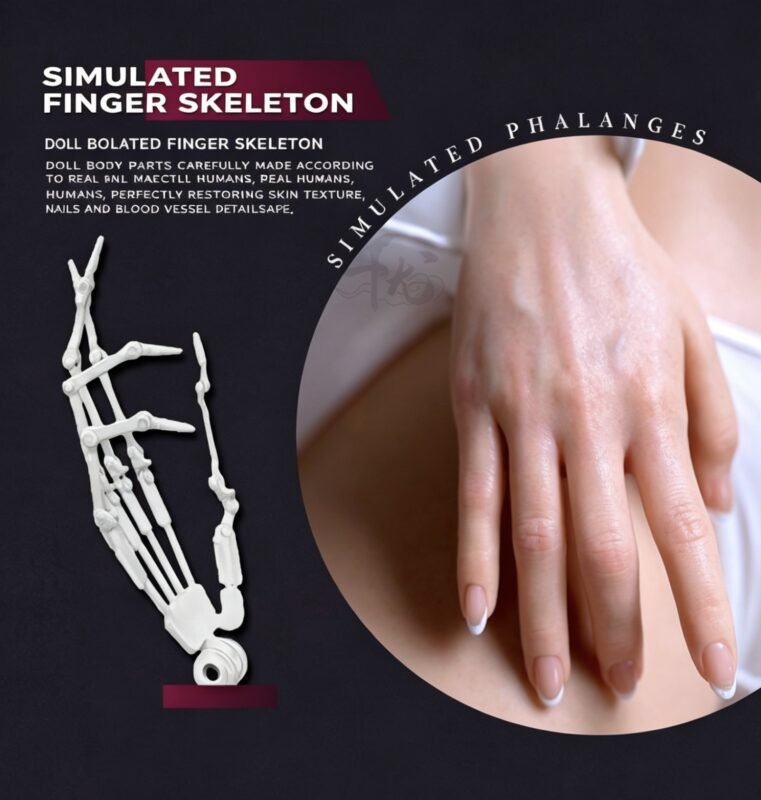
📊 Silicone vs TPE Sex Dolls Full Guide (Core Comparison Table)
Here’s a clear breakdown of how both materials actually compare:
| Feature | TPE | Silicone |
|---|---|---|
| Skin Softness | Extremely soft, almost memory-foam like | Slightly firmer but more structured |
| Realism (First Impression) | Very strong initial tactile realism | Strong visual + consistent realism |
| Long-Term Appearance | Changes slightly over time | Very stable over time |
| Durability | Moderate | Very high |
| Tear Resistance | Lower | Higher |
| Weight | Often heavier | Usually lighter depending on build |
| Maintenance Effort | Higher (needs regular care) | Lower (more stable surface) |
| Stain Resistance | Moderate to weak | Strong |
| Heat Stability | Lower | Higher |
| Photography Quality | Good | Excellent under lighting |
| Repair Difficulty | Easier DIY fixes | Less frequent but more technical |
| Lifespan | Shorter | Longer |
| Overall Stability | Medium | High |
🧠 Real Ownership Experience (What Actually Happens Over Time)
Most comparison articles stop at specs.
But real users don’t experience specs—they experience changes over time.
Let’s talk about that in a more realistic way.
🟤 TPE After 3–6 Months of Use
At the beginning, TPE feels honestly impressive.
Soft. Warm. Very tactile. Almost surprisingly so.
But after a few months—especially depending on environment—you may start noticing subtle shifts:
- slightly more surface tackiness in warmer weather
- faint compression marks after long poses
- increased dust attraction
- sensitivity to dark clothing dyes
Nothing dramatic overnight.
It’s more like… gradual awareness.
And users often describe it like this:
“It didn’t suddenly get worse. It just required more attention than I expected.”
That’s the key difference.
⚪ Silicone After 6+ Months of Use
Silicone behaves differently.
It doesn’t try to “impress more” over time.
It just stays consistent.
Even after months:
- structure remains stable
- surface stays visually clean
- less sensitivity to temperature changes
- fewer maintenance surprises
One common user comment goes like this:
“TPE feels more emotional at first. Silicone feels more reliable after living with it.”
And that is probably the most accurate real-world summary.
🔬 Why TPE Feels Softer (Material Science Explanation)
This part is often oversimplified in marketing content.
TPE achieves softness through:
👉 plastic elastomer blends with oil-based plasticizers
That creates:
- high elasticity
- soft compression feel
- strong initial realism
But there is a trade-off:
- lower structural stability
- more environmental sensitivity
- faster surface change over time
Silicone, on the other hand, is built on:
👉 cross-linked molecular structure (more stable polymer network)
Which results in:
- consistent shape retention
- higher thermal resistance
- better long-term durability
In simple terms:
TPE prioritizes feel.
Silicone prioritizes time.
🧼 Maintenance Reality (The Hidden Long-Term Cost)
This is where many buyers are surprised.
Not immediately.
But gradually.
🟤 TPE Maintenance Reality
TPE typically requires:
- regular cleaning
- powder application
- careful clothing selection
- controlled humidity storage
In warmer or humid climates (for example southern U.S. summers), maintenance becomes noticeably more frequent.
Not difficult—but active.
It’s something you manage.
⚪ Silicone Maintenance Reality
Silicone is simpler:
- easier cleaning
- less staining risk
- more stable surface behavior
- less sensitivity to humidity
Over time, this difference becomes one of the biggest satisfaction factors.
Because convenience is not obvious at first—but very obvious later.
👤 Which Material Fits Which Type of Buyer?
🟤 Beginners → TPE
Why:
- softer initial experience
- lower entry cost
- stronger tactile impact
Best for:
👉 first-time buyers
👉 budget-sensitive users
👉 users focused on softness
⚪ Long-Term Users → Silicone
Why:
- more stable over years
- lower maintenance burden
- consistent appearance
Best for:
👉 collectors
👉 long-term owners
👉 low-maintenance preference users
📸 Photography Users → Silicone
Under real lighting conditions (LED, daylight, studio setups):
- highlights look cleaner
- facial detail remains stable
- makeup appearance holds better
This is also why silicone dominates in professional display and photography usage.
💰 Budget-Focused Buyers → TPE
Despite limitations, TPE still delivers strong value.
Especially for users who prioritize:
- softness
- affordability
- entry-level realism
It remains one of the best cost-performance options in the market.
📈 Industry Trend Insight (Why Silicone Is Growing)
According to broader material industry trends (including polymer and elastomer usage reports in consumer + medical applications), silicone demand continues increasing due to:
- long-term durability requirements
- reduced maintenance cost over lifecycle
- better environmental stability
This trend is not marketing-driven—it’s usage-driven.
And the same shift is slowly visible in the premium companion product market.
🧠 Final Decision Logic (The Real Answer)
If you remove all marketing language, the decision becomes surprisingly simple:
👉 TPE = better first impression
👉 Silicone = better long-term stability
That’s it.
And experienced users often summarize it like this:
- “TPE impressed me first.”
- “Silicone stayed consistent.”
Neither is wrong.
They just optimize for different priorities.
🧾 FAQ
Is silicone safer than TPE?
Medical-grade silicone generally has higher chemical stability, but final safety depends heavily on manufacturing quality.
Which material lasts longer?
Silicone typically lasts longer due to stronger structural stability.
Which feels more realistic?
TPE feels softer and more tactile, while silicone feels more visually consistent over time.
Why is silicone more expensive?
Because of:
- more complex molding processes
- higher raw material cost
- stricter production requirements
Which is easier to maintain?
Silicone is generally easier and more stable over long-term use.
7 thoughts on “🔥Silicone vs TPE Sex Dolls Full Guide (2026 Expert Comparison)”