
Sex Dolls Blog
Silicone vs TPE Feel Comparison: What Feels More Human?


Introduction
If you spend enough time researching realistic dolls, you eventually notice something interesting:
Beginners almost always talk about softness first.
Long-term owners usually stop talking about softness entirely.
Instead, experienced collectors start discussing things like:
- skin tension
- rebound
- contour stability
- posing realism
- pressure response
- lighting behavior
That shift says a lot about the real silicone vs TPE feel comparison.
Because after years in the industry, one thing becomes obvious:
Realism is not simply about how soft a material feels during the first 10 seconds.
It is about how believable the body feels over months or years of ownership.
And that is where silicone sex dolls and TPE sex dolls begin separating in ways most comparison articles never explain.
Many websites reduce the conversation to:
TPE = softer
Silicone = firmer
Technically true.
But also incomplete.
The real-world tactile difference is much deeper than that.
This guide breaks down the actual feel differences between silicone and TPE using:
- long-term ownership observations
- photography behavior
- material engineering logic
- maintenance experience
- real buyer decision patterns
If you want a broader breakdown covering durability, maintenance, realism, pricing, and ownership differences, read our complete Silicone vs TPE Sex Dolls Full Guide.
Why “Feel” Is More Complicated Than Most Buyers Expect
Softness and Realism Are Not the Same Thing
One thing I noticed after talking with long-term doll owners is that many people initially confuse softness with realism.
That makes sense at first.
When you press into a TPE sex doll for the first time, the material feels extremely soft and compressible. It creates an immediate “wow” effect.
But after extended ownership, some users begin noticing something else:
Real human skin actually has resistance.
Not hardness.
Resistance.
There is underlying structure beneath skin:
- muscle tension
- bone support
- connective tissue
- elastic rebound
High-end silicone sex dolls attempt to reproduce that layered tension more accurately.
For a deeper explanation of medical-grade silicone, skin tension, and why premium manufacturers prefer silicone, see our What is Silicone in Sex Dolls guide.
That is why many experienced owners eventually describe silicone as:
Less impressive at first touch, but more believable over time.、
Silicone Sex Doll vs TPE Sex Doll: First Touch Experience
Why Beginners Usually Prefer TPE First
The first time most people touch TPE, the reaction is immediate.
It feels:
- plush
- warm
- highly compressible
- cushion-like
Some users compare it to:
- soft gel
- marshmallow texture
- memory foam skin
This creates strong instant realism.
That initial tactile impact is one reason TPE became dominant in entry-level markets during the late 2010s.
According to industry estimates from adult manufacturing suppliers in China, TPE-based dolls still account for a large portion of global entry-level production due to lower material and manufacturing costs.
If you are unfamiliar with how TPE behaves structurally over time, our detailed What is TPE Material in Sex Dolls guide explains its composition, softness characteristics, and maintenance requirements.
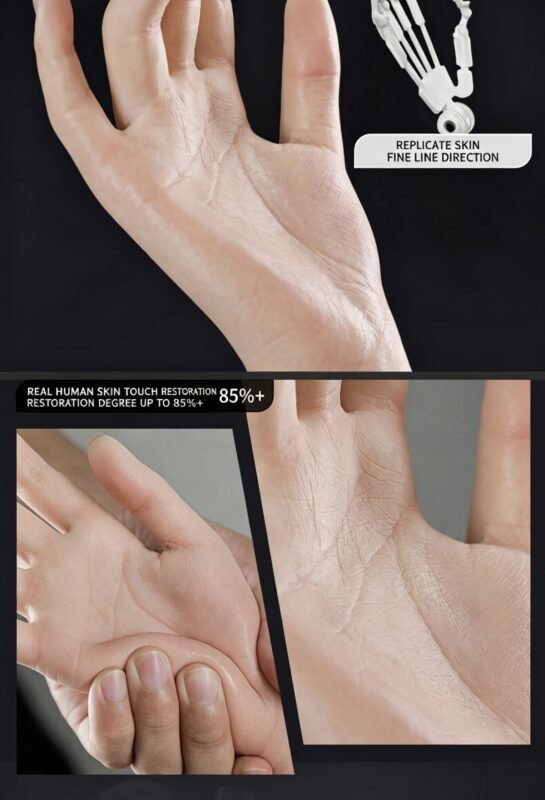
Why Silicone Feels Different Immediately
Silicone rarely creates that same “instant softness shock.”
Instead, it feels:
- denser
- tighter
- more elastic
- more resistant under pressure
For beginners, this sometimes feels counterintuitive.
A common first reaction is:
“Why does this feel firmer than I expected?”
But after longer interaction — especially during posing, full-body contact, and photography — many users start understanding why premium manufacturers prefer silicone.
Because realistic skin is not uniformly soft.
It behaves with controlled tension.
The Skin Tension Difference Most Articles Ignore
Silicone Better Simulates Layered Anatomy
Something most people don’t really talk about is how pressure behaves differently inside each material.
This becomes especially noticeable around:
- shoulders
- collarbone areas
- thighs
- abdomen
- hips
When pressing into high-quality silicone, the pressure usually disperses with more controlled resistance.
TPE compresses deeper and faster.
At first, that can feel “more realistic.”
But during longer ownership, some users begin feeling that TPE behaves more like soft gel than structured tissue.
That distinction becomes easier to notice during:
- extended posing sessions
- body repositioning
- shoulder pressure
- sitting pressure
- photography setups
Especially under directional lighting.
Why Photographers Often Prefer Silicone Sex Dolls
Lighting Changes Material Perception
This is one of the least discussed — but most important — realism factors.
Professional doll photographers often judge realism differently than casual buyers.
They care about:
- contour retention
- shadow behavior
- surface texture
- skin tension
- facial structure under light
Silicone performs exceptionally well in these situations because it maintains body definition more consistently.
Under studio lighting, softer TPE materials can sometimes visually “flatten”:
- collarbone depth
- abdominal transitions
- facial contours
- thigh separation
Silicone tends to preserve those transitions more naturally.
That is why many premium promotional shoots use silicone models despite the higher production cost.
Silicone vs TPE Feel Comparison Table
Engineering-Level Material Feel Comparison
| Feature | Silicone Sex Doll | TPE Sex Doll |
|---|---|---|
| Initial Softness | Medium-soft | Extremely soft |
| Skin Tension | High | Low |
| Compression Feel | Elastic resistance | Deep compression |
| Rebound Speed | Medium | Fast |
| Structural Support | Strong | Moderate |
| Surface Texture | Dry, skin-like | Softer, slightly tacky |
| Temperature Stability | High | Changes noticeably |
| Oil Leakage Over Time | Minimal | Common |
| Contour Retention | Excellent | Moderate |
| Muscle Definition | Better preserved | Softer appearance |
| Photography Realism | Excellent | Good |
| Long-Term Feel Stability | High | Moderate |
Temperature Changes the Feel More Than Most Buyers Expect
TPE Reacts More Dramatically to Heat
One thing many first-time buyers discover only after ownership:
Room temperature changes material behavior significantly.
In warmer environments, TPE becomes noticeably softer.
Above roughly 30°C (86°F), some owners report:
- increased surface softness
- deeper compression
- less structural resistance
In hot climates or poorly ventilated rooms, TPE can occasionally feel overly “gel-like.”
Silicone Remains More Consistent
Silicone is far more thermally stable.
This is one reason silicone-based materials are widely used in:
- medical prosthetics
- FX makeup prosthetics
- body-safe industrial applications
Its structure remains more predictable across temperature changes.
That consistency contributes heavily to long-term realism perception.
According to material science references from Dow Silicones and multiple prosthetics manufacturing studies, platinum-cure silicone maintains elasticity and structural stability better under repeated thermal fluctuation than softer thermoplastic elastomers.
Why Long-Term Owners Often Change Preferences
Ownership Changes What People Value
One pattern appears repeatedly in collector communities:
New buyers prioritize softness.
Experienced owners prioritize realism stability.
That difference matters.
After one or two years, many users begin caring more about:
- shape retention
- maintenance
- realism under lighting
- structural definition
- tactile consistency
rather than simply softness alone.
This is often where silicone starts feeling more “human” to long-term users.
Maintenance Also Affects Tactile Realism
Material Aging Changes the Experience
Feel is not static.
It changes over time.
TPE Can Change More Noticeably
Over extended ownership, TPE may gradually develop:
- oil seepage
- tackiness
- dust attraction
- softer structural response
These changes alter tactile realism.
Silicone Ages More Predictably
High-quality platinum silicone generally maintains:
- surface tension
- texture consistency
- structural elasticity
- contour sharpness
for much longer periods.
This is one reason premium silicone dolls often remain visually convincing after many years.
The Psychology Behind “Realism”
Why First Impressions Can Be Misleading
Interestingly, first-touch realism and long-term realism are not always the same thing.
TPE creates stronger initial emotional impact because extreme softness immediately feels impressive.
Silicone creates slower realism.
It becomes more convincing gradually through:
- structure
- pressure response
- posing behavior
- contour stability
- visual realism
That is why experienced users often summarize the difference like this:
TPE feels impressive immediately.
Silicone feels believable over time.
So Which Actually Feels More Realistic?
The Answer Depends on Your Definition of “Real”
If your definition of realism is:
ultra-soft compression
→ TPE may feel more realistic.
If your definition is:
skin tension, anatomical structure, and long-term realism
→ silicone often feels more convincing.
Neither answer is universally right.
The better material depends on:
- your realism preference
- environment
- photography interest
- maintenance expectations
- long-term ownership goals
If you are still deciding which material, body type, or realism level fits your needs best, our complete Sex Doll Buying Guide covers the most important factors first-time buyers often overlook.
Final Thoughts
The silicone vs TPE feel comparison is not really about “soft vs firm.”
It is about:
What kind of realism your brain interprets as human.
TPE focuses on:
- immediate softness
- plush compression
- instant tactile impact
Silicone focuses on:
- controlled skin tension
- anatomical structure
- long-term realism
- stability under lighting and pressure
And interestingly, many long-term owners eventually realize that realism is not always the softest sensation.
Sometimes, realism is the subtle resistance that makes something feel structurally alive.
FAQ
Does silicone feel harder than TPE?
Usually yes. Silicone has more elastic resistance and structural support, while TPE compresses more deeply.
Why do experienced users often prefer silicone?
Many long-term owners value contour stability, texture consistency, and anatomical realism more over time.
Does TPE feel more realistic at first touch?
For many beginners, yes. TPE’s extreme softness creates strong initial realism perception.
Which material behaves more like real human skin?
Silicone often reproduces skin tension and layered structure more realistically, while TPE emphasizes softness.
Does room temperature affect the feel?
Yes. TPE changes more noticeably in warm environments, while silicone remains more thermally stable.
5 thoughts on “Silicone vs TPE Feel Comparison: What Feels More Human?”